



How Emotions Affect the Body: Understanding the Mind–Body Connection
Home Our Blog How Emotions Affect the Body: Understanding the Mind–Body ConnectionSearch Post

If You Need Any Help
Contact With Us

Have you ever felt anxiety in your stomach, grief in your chest, or stress in your shoulders?
Our emotions aren’t experienced only in the mind. The brain, nervous system, hormones, breathing, digestion & muscles constantly communicate with each other. This mind–body connection explains why prolonged emotional stress can sometimes leave us feeling tense, exhausted or physically “off.”
Fear — Kidneys & Stress Response
In Traditional Chinese Medicine, fear is associated with the kidneys. From a modern perspective, fear activates the body’s stress response and hormones such as adrenaline and cortisol. When we remain in a prolonged state of fear or uncertainty, we may feel restless, tense or emotionally drained.
Anger — Liver & Physical Tension
Traditional healing systems associate anger with the liver. Physiologically, anger can increase heart rate, blood pressure & muscle tension. It may show up as a clenched jaw, tight shoulders or difficulty relaxing.
Grief — Lungs & Chest
Grief is traditionally connected with the lungs. Emotionally difficult moments can also change our breathing, which may explain why sadness is often experienced as heaviness or tightness around the chest.
Worry & Overthinking — Stomach & Digestion
The connection between emotions and digestion is especially interesting. The brain and digestive system constantly communicate through the gut–brain axis. Stress and anxiety can affect appetite, digestion & bowel habits—which is why we often “feel” worry in our stomach.
Stress — Nervous System & the Whole Body
Chronic stress doesn’t belong to one organ. It can influence sleep, digestion, muscle tension, heart rate, concentration & energy levels.
Sometimes the body may simply be asking for more rest, safety & space to slow down.
How Can Healing Support the Mind and Body?
We cannot avoid difficult emotions—and we don’t need to. The goal is to experience them without remaining in a constant state of stress.
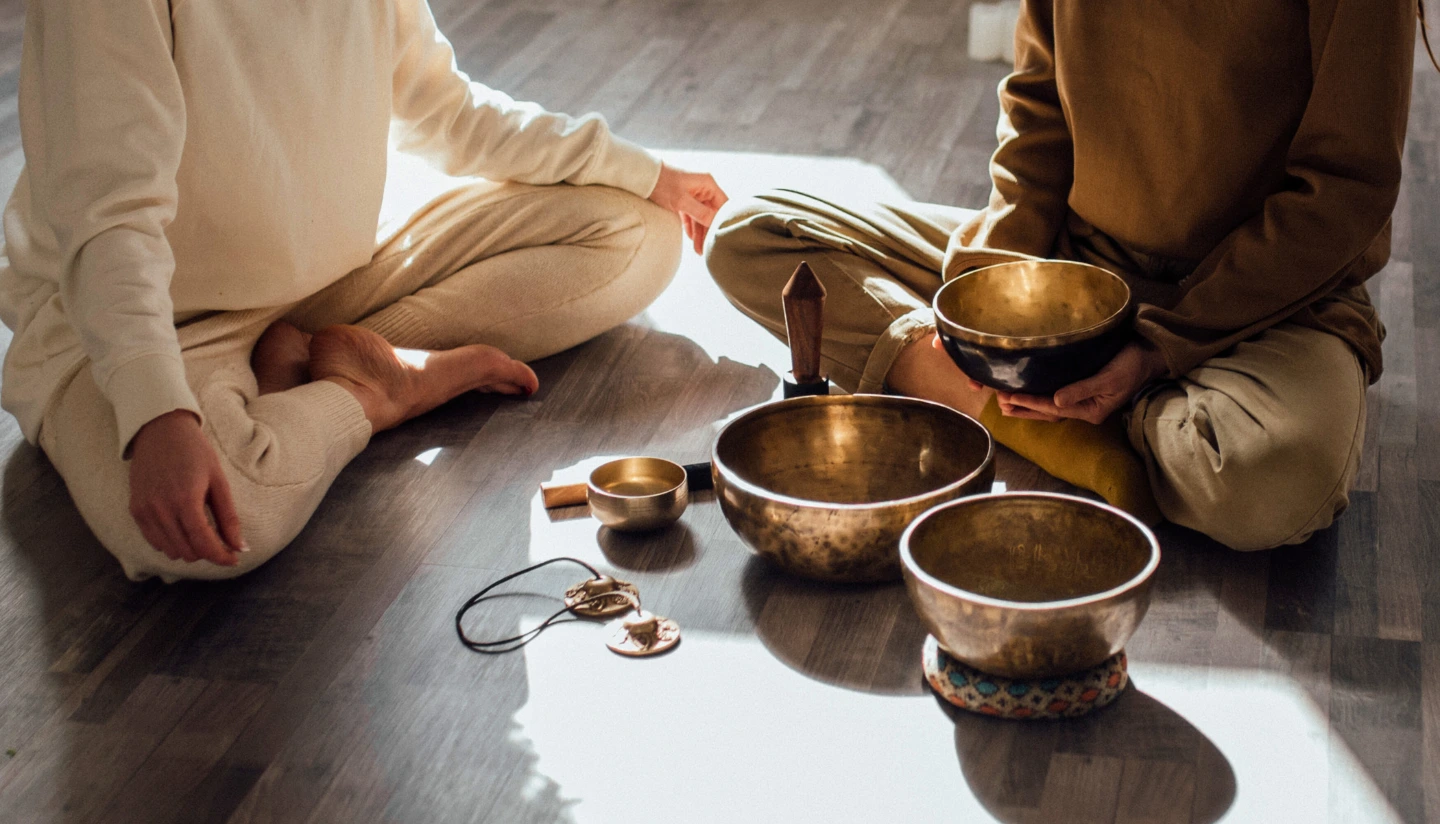
Practices such as meditation, mindful breathing, sound healing & other relaxation-based healing practices can help us slow down, reconnect with the body & create space for emotional awareness.
Sound healing, in particular, can encourage deep relaxation and provide a quiet environment where the mind can settle and the body can release some of its tension.
Healing isn’t about claiming that releasing fear will “heal your kidneys” or sound will “heal your liver.” It is about supporting the mind, body & emotional wellbeing as a whole.
Sometimes, the first step towards healing is simply noticing what your body has been trying to tell you.
Healing practices can complement emotional and physical wellbeing but should not replace medical care for persistent or concerning symptoms.
Read More Our Blogs
You Can Love Your Life and Still Want Something Different
Have you ever felt happy with where you are in life, yet quietly wished for something more?
Learn more
Your Body Remembers Stress, Even When Your Mind Moves On
Ever noticed how your shoulders feel tense after a long day, even when everything seems fine?
Quick Links
Important Links
© Copyright 2026 - Heal Witth Ahaana. All Right Reserved | Developed By HRM InfoSec